


Call Us
+86-574-28897800
Email Us
sales@ecoairnb.com

How Can Fan Coil Units Improve Indoor Climate Control Efficiently?
Fan Coil Units (FCUs) are critical components in modern HVAC systems, providing efficient heating, cooling, and ventilation for residential, commercial, and industrial buildings. Unlike centralized air conditioning systems, FCUs offer localized temperature control, energy efficiency, and flexibility in installation.

Introduction and Product Overview
Fan Coil Units operate by circulating air over a coil that is either heated or cooled by water, offering rapid temperature adjustment and zoned control. They are ideal for hotels, offices, hospitals, and high-rise residential buildings, where comfort and energy efficiency are both priorities.
Key Specifications of Typical Fan Coil Units
| Parameter | Typical Range | Notes |
|---|---|---|
| Airflow Rate | 200 – 2000 m³/h | Adjustable according to room size |
| Cooling Capacity | 1 – 20 kW | Dependent on coil type and water supply temperature |
| Heating Capacity | 1 – 18 kW | Compatible with hot water, electric, or steam coil options |
| Fan Type | Centrifugal / Axial | Select based on noise requirements and space constraints |
| Control Options | Manual, Thermostat, BMS integration | Enables precise temperature control and scheduling |
| Noise Level | 25 – 45 dB(A) | Quiet operation suitable for sensitive environments |
| Filter Type | Washable / Replaceable | Maintains air quality and reduces maintenance costs |
| Installation | Ceiling-mounted, wall-mounted, or floor-standing | Offers flexible deployment in different architectural layouts |
Fan Coil Units combine energy efficiency, silent operation, and adaptability, making them suitable for a wide range of climates and building types. By delivering precise local temperature control, FCUs reduce energy consumption compared to centralized HVAC systems while improving occupant comfort.
How Do Fan Coil Units Work and Optimize Indoor Air Quality?
Fan Coil Units operate on a simple principle: water heated or cooled in a central plant flows through coils inside the unit. Air is drawn through the coil by a fan, exchanging heat with the water, and then distributed into the room. This localized heating or cooling reduces energy wastage in unoccupied areas and allows independent control of multiple zones.
Operational Advantages:
-
Zonal Control: Each unit can be individually controlled, avoiding overcooling or overheating in different areas.
-
Rapid Response: FCUs adjust temperature faster than centralized systems due to smaller water volume and short air paths.
-
Quiet Operation: Advanced fan designs maintain low decibel levels, enhancing occupant comfort in sensitive spaces such as hospitals or hotels.
-
Maintenance Efficiency: Removable filters and accessible coil designs reduce downtime and maintenance costs.
Common Question 1: How much energy can Fan Coil Units save compared to traditional HVAC systems?
Answer: FCUs allow for zoned temperature control, meaning that only occupied areas are conditioned. This targeted approach typically results in energy savings of 15–30% compared to conventional centralized systems, depending on building layout, usage patterns, and local climate conditions. Additionally, FCUs reduce the need for extensive ductwork, further minimizing energy losses.
Common Question 2: How can Fan Coil Units maintain indoor air quality?
Answer: FCUs utilize filters to capture dust, pollen, and other airborne particles. Advanced models can integrate HEPA or activated carbon filters to reduce microbial and chemical pollutants. Regular maintenance of these filters ensures consistent air quality. By controlling airflow and temperature in specific zones, FCUs also help prevent the formation of mold or condensation, which can degrade indoor air quality over time.
How to Choose the Right Fan Coil Unit for Your Building?
Selecting the correct Fan Coil Unit requires careful evaluation of several factors to ensure optimal performance, energy efficiency, and occupant comfort.
Considerations for Selection:
-
Room Size and Airflow Requirements: The unit must provide sufficient airflow and capacity to meet heating or cooling demands. For example, small offices may only require 200–500 m³/h, whereas large conference rooms need higher capacity units.
-
Installation Type: Ceiling-mounted units are ideal for open-plan spaces, while wall-mounted units are suitable for rooms with space constraints. Floor-standing units work well in retrofit projects or areas with limited ceiling access.
-
Water Supply Compatibility: Ensure that the FCU coil matches the building’s hot and chilled water system specifications. This includes water flow rate, temperature, and pressure.
-
Control Integration: Modern buildings often utilize Building Management Systems (BMS) to monitor and control HVAC systems. Choosing FCUs compatible with BMS allows for centralized control and energy monitoring.
-
Noise Sensitivity: For environments such as bedrooms, offices, or hospital wards, selecting low-noise fan coil units is critical.
Operational Tips:
-
Optimize airflow direction to prevent drafts and ensure even distribution.
-
Schedule routine filter cleaning and coil maintenance to maintain efficiency.
-
Consider installing variable speed fans to reduce energy consumption during periods of low occupancy.
How Will Fan Coil Units Adapt to Future HVAC Trends?
The demand for energy-efficient, adaptable, and low-maintenance HVAC solutions continues to grow. Fan Coil Units are poised to play a crucial role in meeting future sustainability and comfort standards. Key trends include:
-
Smart Integration: FCUs with IoT-enabled controls can communicate with smart thermostats and building systems for predictive maintenance and optimized energy usage.
-
Advanced Filtration: Increasing awareness of indoor air quality is driving demand for FCUs with enhanced filtration options, including HEPA filters and UV sterilization.
-
Energy Recovery and Efficiency: Integration with heat recovery systems allows FCUs to reuse energy from exhaust air, reducing overall energy consumption.
-
Eco-Friendly Refrigerants and Water Systems: Adoption of environmentally sustainable cooling and heating methods aligns with global energy regulations and reduces carbon footprint.
By incorporating these advancements, Fan Coil Units are expected to maintain relevance in both retrofit and new construction projects, providing high efficiency, comfort, and indoor air quality for decades to come.
Ningbo Ecoair Environmental Technology Co., Ltd provides a wide range of Fan Coil Units designed for high performance, reliability, and ease of installation. With a strong focus on energy efficiency, quiet operation, and advanced controls, their products meet the needs of commercial, industrial, and residential applications. For more information or to explore suitable options, contact us to discuss customized solutions and professional support.
Send Inquiry


X
We use cookies to offer you a better browsing experience, analyze site traffic and personalize content. By using this site, you agree to our use of cookies.
Privacy Policy
News
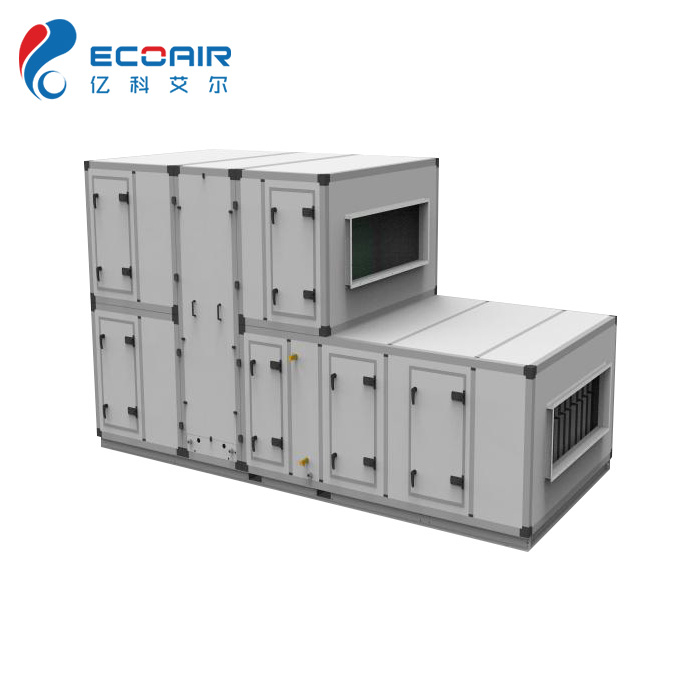 Why Is a Modular Air Handling Unit the Optimal Choice for Modern HVAC Systems?2025/08/13
In today's commercial, industrial, and residential environments, air quality and energy efficiency are top priorities. The Modular Air Handling Unit (AHU) has emerged as a flexible, high-performance solution for ventilation, heating, and cooling requirements. This advanced HVAC component is designed......
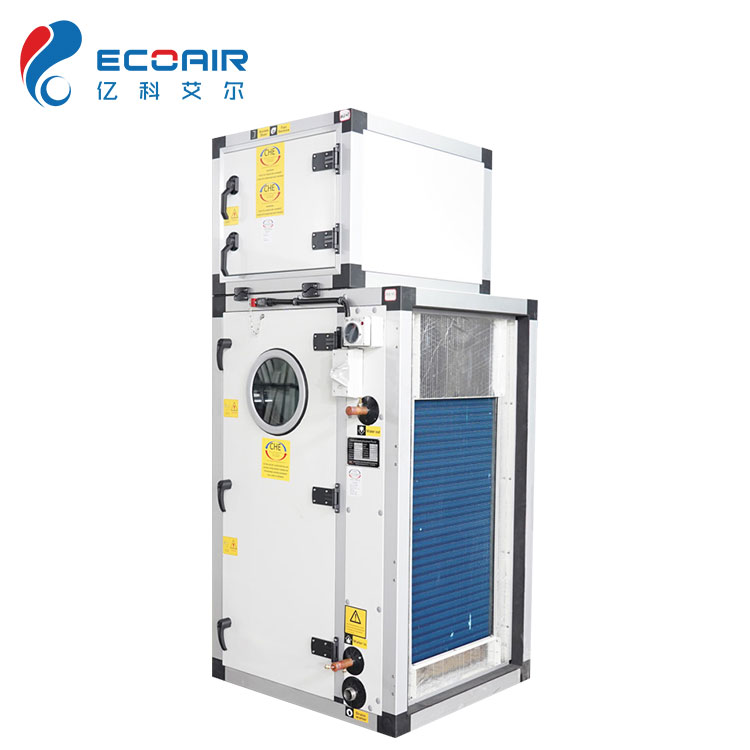 How To Maintain The Vertical Type Standard Air Handling Unit?2025/07/03
The maintenance of the Vertical Type Standard Air Handling Unit needs to focus on checking the filtration system, fan operation status and electrical safety, so as to ensure the efficiency and service life of the unit.